

20 products
-
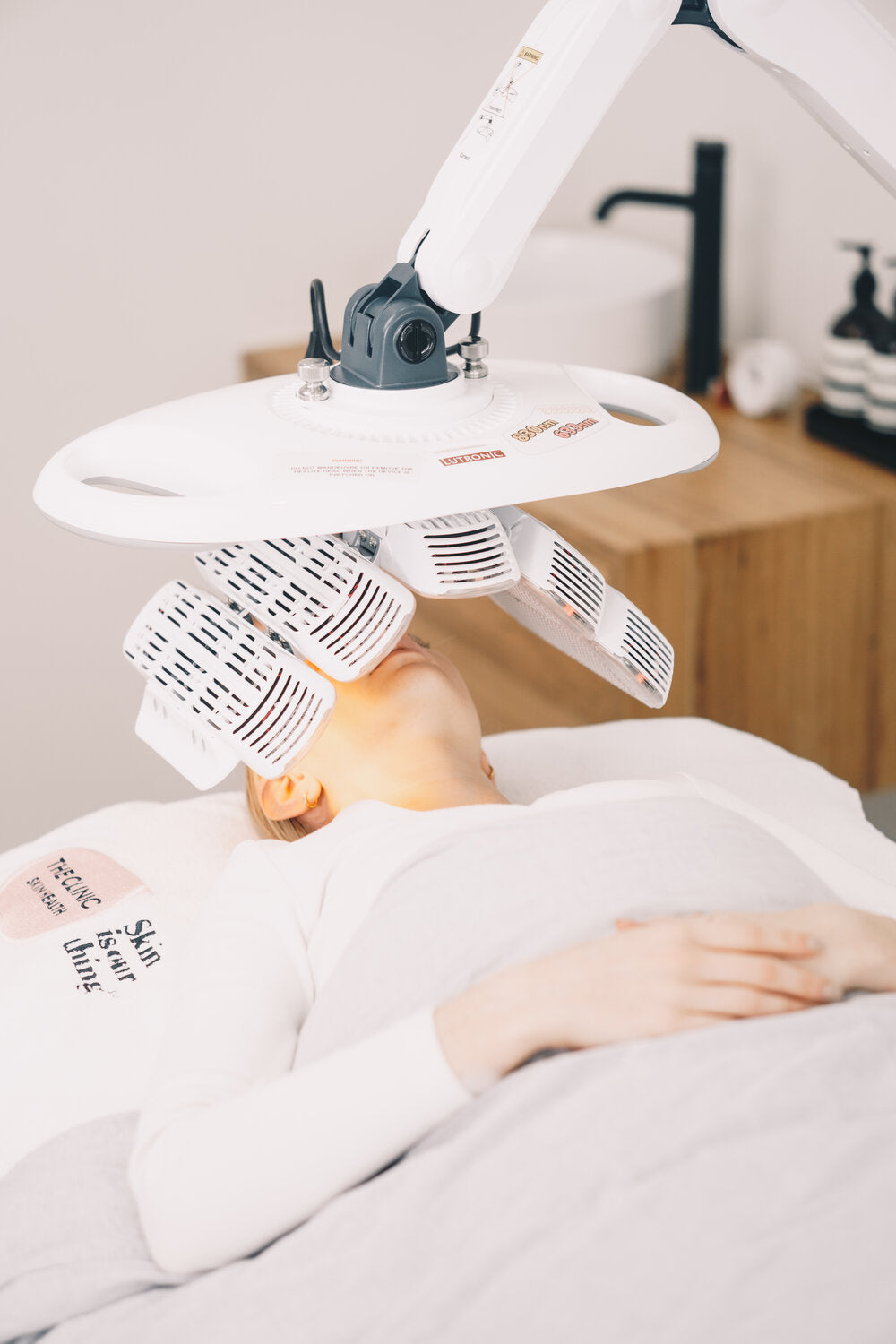 White LED Therapy FacialVendor:White LED Therapy FacialThe Clinic - Skin Health
 -
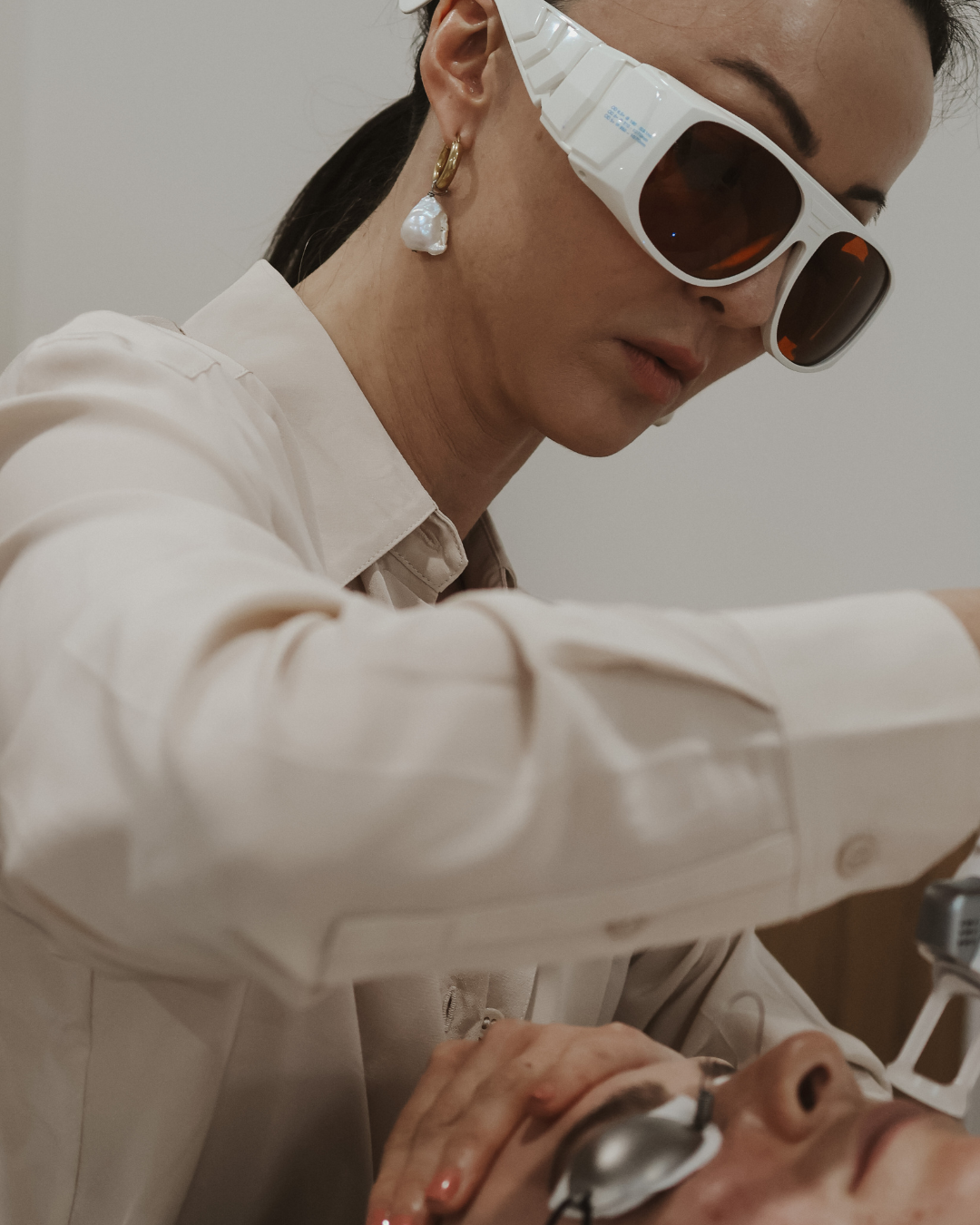 3D Laser TreatmentVendor:3D Laser TreatmentThe Clinic - Skin Health
 -
2D Laser TreatmentVendor:2D Laser TreatmentThe Clinic - Skin Health
-
 Luminescens Brightening TreatmentVendor:Luminescens Brightening TreatmentMesoestetic
 -
 Biomimetic Melanze PeelVendor:Biomimetic Melanze PeelThe Clinic - Skin Health
 -
 Deluxe HydraFacialVendor:Deluxe HydraFacialThe Clinic - Skin Health
 -
 Signature HydraFacialVendor:Signature HydraFacialThe Clinic - Skin Health
 -
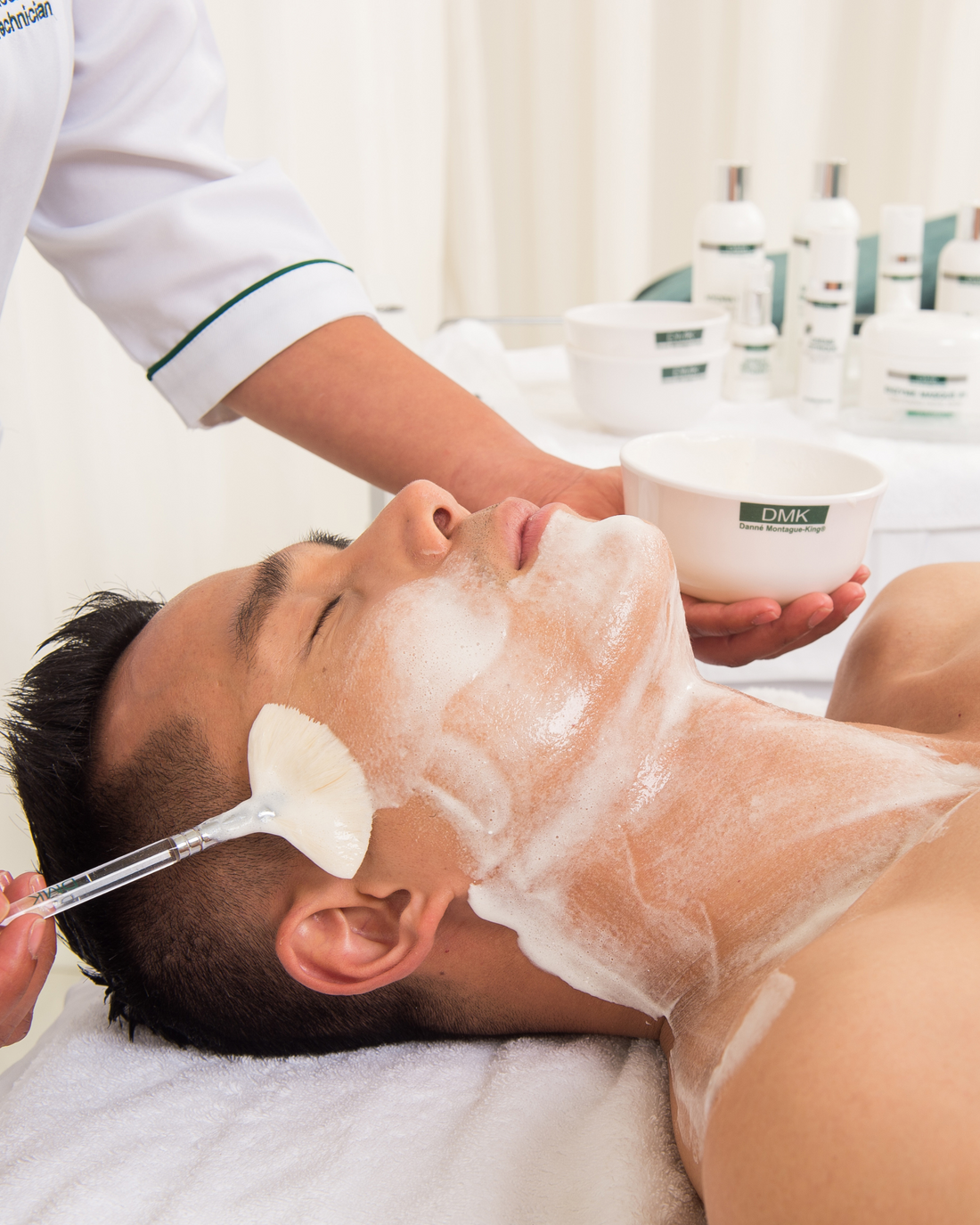 Level 2 Enzyme TherapyVendor:Level 2 Enzyme TherapyThe Clinic - Skin Health
 -
 Skin ResurfacingVendor:Skin ResurfacingThe Clinic - Skin Health
 -
 Spot Pigmentation - From $250Vendor:Spot Pigmentation - From $250The Clinic - Skin Health
 -
1D Laser TreatmentVendor:1D Laser TreatmentThe Clinic - Skin Health
-
 Skin Needling with ExosomesVendor:Skin Needling with ExosomesThe Clinic - Skin Health
 -
Skin Needling with InsulinVendor:Skin Needling with InsulinThe Clinic - Skin Health
-
Skin Needling with RejuranVendor:Skin Needling with RejuranThe Clinic - Skin Health
-
Skin NeedlingVendor:Skin NeedlingThe Clinic - Skin Health
-
 Dermamelan Hyperpigmentation TreatmentVendor:Dermamelan Hyperpigmentation TreatmentThe Clinic - Skin Health
 -
 Cosmelan Depigmentation TreatmentVendor:Cosmelan Depigmentation TreatmentThe Clinic - Skin Health
 -
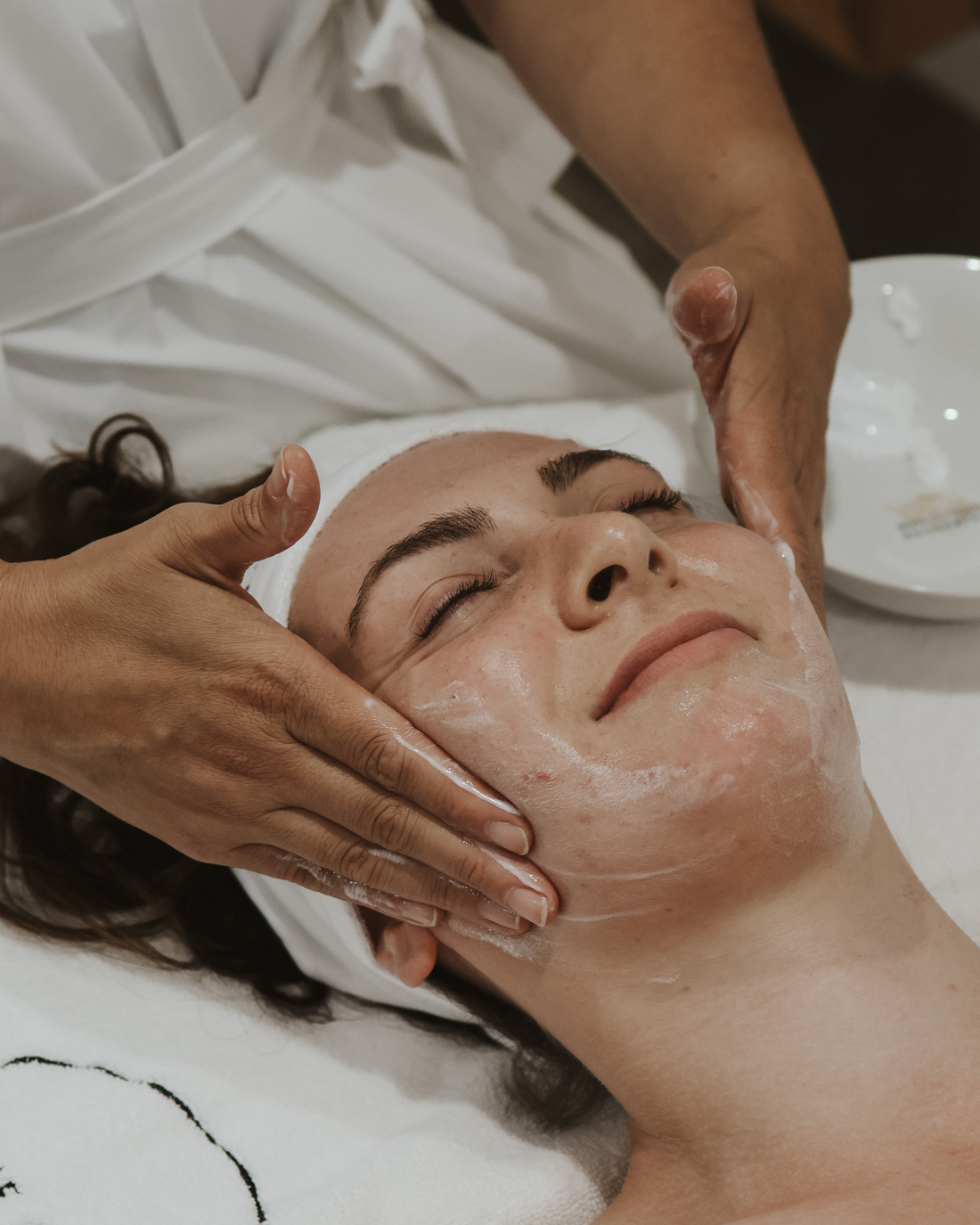 Mineral Jessner PeelVendor:Mineral Jessner PeelThe Clinic - Skin Health
 -
Radiance Renewal PeelVendor:Radiance Renewal PeelThe Clinic - Skin Health
-
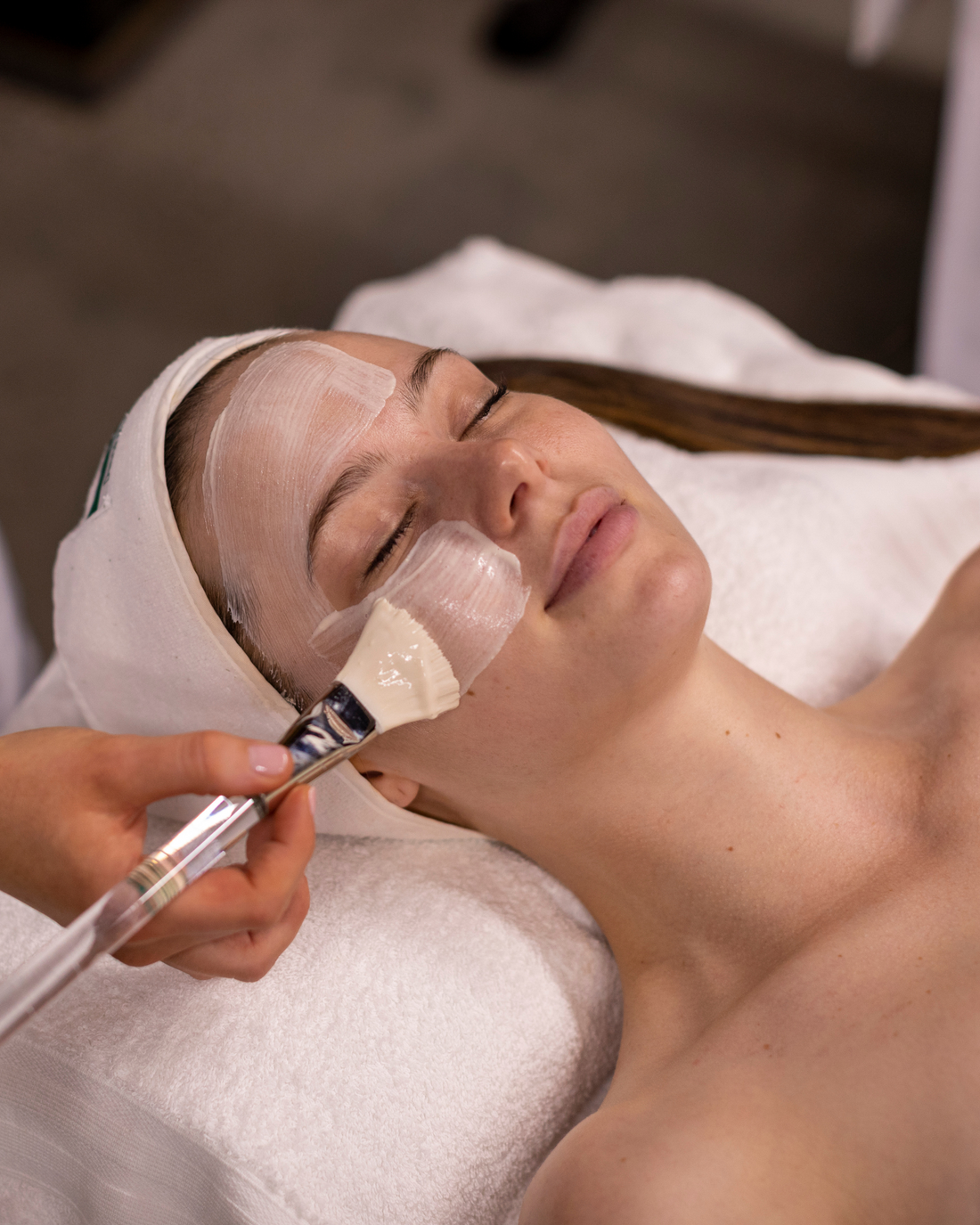 DMK Cryo Pro-XVendor:DMK Cryo Pro-XThe Clinic - Skin Health

Pigmentation, melasma and sun spots are among the most common and most stubborn concerns we see in Canberra. At The Clinic Skin Health & Wellness in Campbell, our practitioners first identify the type and underlying cause of your pigmentation, then build a multimodal plan that works on several pathways at once to fade existing marks and help stop new ones forming.
What causes pigmentation?
Pigmentation appears when the skin overproduces melanin, and the main types behave differently. Sun spots (solar lentigines) come from cumulative UV exposure; melasma is hormone- and heat-driven, often appearing as symmetrical patches and easily aggravated; and post-inflammatory pigmentation follows breakouts, injury or aggressive treatment. Canberra's high UV levels mean sun exposure is a leading trigger year-round. Identifying which type you have is essential, because the wrong treatment, particularly for melasma, can make pigmentation worse.
How we treat pigmentation at The Clinic
Pigmentation rarely responds to a single treatment, so we combine modalities and tailor them to your pigmentation type:
- Medical depigmentation programs such as Cosmelan and Dermamelan to help regulate melanin production.
- Gentle Q-switch laser toning to break down existing pigment, dialled carefully for heat-sensitive melasma.
- Microneedling with Luminescens and exosomes to remodel the dermis and improve overall skin quality.
- Rejuran and other biostimulators to support dermal repair, resilience and skin quality.
- Chemical peels to lift surface pigment and brighten tone.
- Targeted homecare, including Sérum PIGM 400, SkinBetter Even Tone Intensive Correcting Serum and SkinCeuticals Discolouration Defense, plus daily SPF.
Why melasma needs a multimodal approach
Melasma is complex and easily aggravated, so we rarely rely on a single treatment. In our experience the most reliable, lasting results come from working on several pathways at once: calming melanin production, gently dispersing existing pigment, and remodelling the dermis to improve the underlying quality of the skin, all paired with rigorous daily sun protection. Because melasma is heat-sensitive, every modality is selected and dialled in carefully to improve your skin without flaring it. For melasma specifically, see our dedicated melasma treatment information, and browse brightening skincare.
What to expect & realistic timelines
Pigmentation responds gradually. Surface sun spots can improve within a few weeks, while melasma is a longer-term condition that is controlled rather than cured, often over several months with ongoing maintenance. Rigorous daily sun protection is non-negotiable: without it, pigment returns no matter how good the treatment. We start with a professional skin assessment and a careful, staged plan to keep your results safe and lasting.
A multidisciplinary team behind your skin
You are never treated in isolation. For stubborn or hormonally driven pigmentation, our integrative medical doctors and dermal clinicians work together to address what is happening on the surface and beneath it, and our microbiome chemist can formulate bespoke supplements to support your skin from within. It all begins with our 90-minute bespoke skin consultation, where we build a plan tailored specifically to you, and you will leave with a skin concern fact sheet and a meal plan developed to treat your skin from the inside out.
Frequently asked questions
What is the difference between sun spots and melasma?
Sun spots are discrete marks from UV exposure and respond well to laser and peels. Melasma is a more diffuse, hormone- and heat-driven condition that needs a gentler, carefully managed, multimodal approach.
Will my pigmentation come back?
With diligent sun protection and maintenance, results last well. Melasma in particular can be re-triggered by sun, heat and hormones, so ongoing care matters.
Is laser safe for melasma?
Used correctly, yes. Because melasma is heat-sensitive, we favour gentle, low-energy Q-switch laser toning as part of a multimodal plan, and avoid aggressive heat-based lasers that can make it worse.
Do I really need sunscreen every day?
Yes. Daily broad-spectrum SPF is the single most important step in both treating and preventing pigmentation.
Reviewed by Cara, Registered Nurse & Dermal Clinician, The Clinic Skin Health & Wellness. This information is general in nature and not a substitute for a personalised consultation.